


Eid al-Fitr 2026: A Time for Unity, Joy and Generosity
Eid al-Fitr is one of the most joyful and spiritually uplifting days in the Islamic calendar. It marks the conclusion of Ramadan, a month dedicated to fasting, worship, reflection, and generosity. For Muslims across Canada and around the world, Eid al-Fitr 2026 is a time to thank Allah (swt), strengthen family and community bonds, and ensure that no one is left behind in celebration.
What Is Eid al-Fitr?
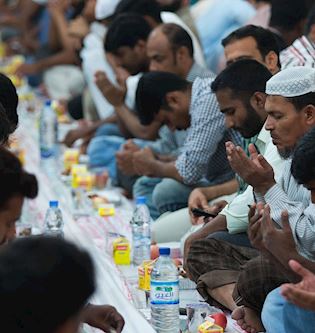
Eid al-Fitr, often referred to as the Festival of Breaking the Fast, marks the end of the month of Ramadan and the beginning of Shawwal, the tenth month of the Islamic Hijri calendar.
There are two annual Eid’s in Islam. Eid al-Fitr follows Ramadan, while Eid al-Adha takes place later in the year during the month of Dhul Hijjah. Eid al-Fitr is a day of happiness, prayer, and generosity after completing a month of fasting.
What Is the Significance of Eid al-Fitr?
Eid al-Fitr is a day of gratitude and celebration. It commemorates the completion of Ramadan, a time when Muslims strive to grow closer to Allah (swt) through fasting, prayer, charity, and self-discipline.
This blessed day encourages Muslims to celebrate their spiritual efforts while reinforcing compassion, unity, and care for others. Charity, especially Zakat al-Fitr (Fitrana), plays a central role in ensuring that every member of the Ummah can share in the joy of Eid.
How Is the Date of Eid al-Fitr Determined?
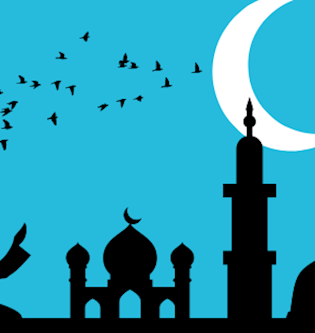
The date of Eid al-Fitr is determined by the sighting of the new moon. Ramadan lasts either 29 or 30 days depending on when the moon is sighted.
If the moon is sighted on the 29th night of Ramadan, Eid begins the next day. If it is not sighted, Ramadan completes 30 days and Eid begins the following day. In the Islamic calendar, a new day begins after Maghrib prayer, just after sunset.
When Is Eid al-Fitr 2026?
Eid al-Fitr 2026 is expected to take place on Saturday March 21, 2026, depending on the sighting of the moon.
Because the Islamic calendar follows the lunar cycle, Islamic dates shift approximately eleven days earlier each year compared to the Gregorian calendar.
How Many Days Is Eid al-Fitr?
Islamically, Eid al-Fitr lasts for one day, which falls on the first of Shawwal. Fasting on this day is forbidden, and Eid prayer is performed in congregation.
However, in many countries and communities, including Canada, Eid celebrations may continue for two or three days as families gather, visit loved ones, and observe public or community events.
This differs from Eid al-Adha, which is celebrated over three days.
What Does Eid al-Fitr Mean?
The word Eid means festival, and al-Fitr refers to breaking the fast. Together, Eid al-Fitr signifies the joyful conclusion of Ramadan and the reward for patience, devotion, and obedience to Allah (swt).
It is a day marked by Eid prayer, sharing meals, exchanging gifts, and remembering the blessings Allah (swt) has bestowed upon us, while remaining mindful of those who are less fortunate.
How Is Eid al-Fitr Celebrated?
Eid celebrations vary by culture and family tradition, but they commonly include performing ghusl and wearing clean or best clothing, eating before attending the Eid prayer, and joining the community for Eid salah in congregation. Muslims also exchange greetings, sweets, and gifts, visit family, friends, and neighbours, and place a strong emphasis on giving charity and supporting those in need. Many choose to further mark the occasion through acts of service and generosity, helping ensure that vulnerable families are able to celebrate Eid with dignity and joy.
What is Eid Salah?
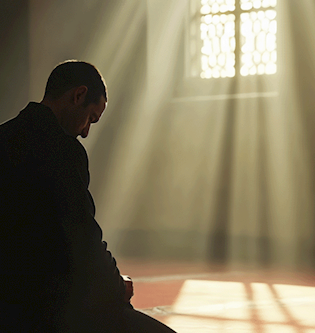
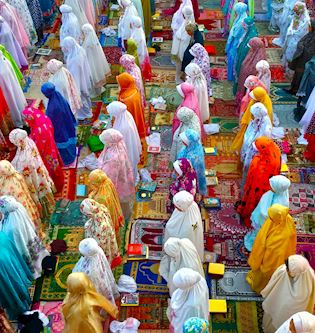
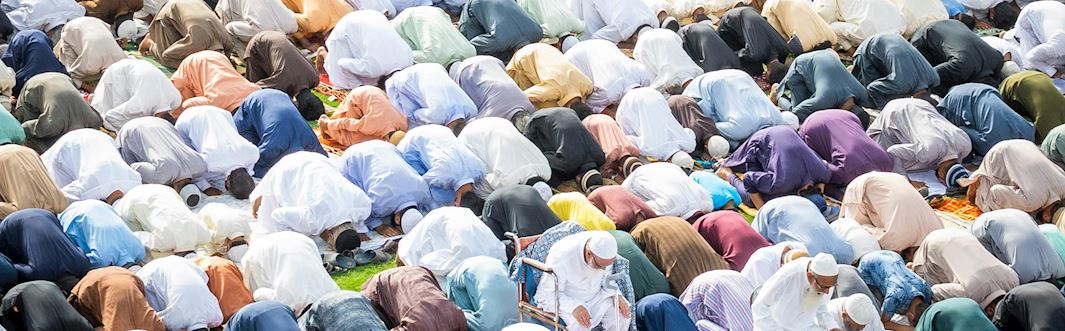
Eid salah is a special congregational prayer performed on the morning of Eid al-Fitr shortly after sunrise. It consists of two rak‘ahs and includes additional takbeers.
After the prayer, a khutbah is delivered, and it is encouraged to remain and listen. Praying Eid salah in congregation strengthens unity and gratitude toward Allah (swt).
What Is Zakat al-Fitr?
Zakat al-Fitr, also known as Fitrana, is a mandatory charitable donation that must be given before Eid prayer. It serves two key purposes:
- It compensates for any shortcomings during fasting
- It ensures those in need can celebrate Eid
Zakat al-Fitr is compulsory upon every self-supporting adult Muslim who possesses food or wealth beyond their immediate needs, and it must also be given on behalf of dependants.
What to Do on Eid al-Fitr
Muslims are encouraged to observe Sunnah acts on Eid, including praying Eid salah in congregation and following the practice of taking a different route to and from the Eid prayer. Jabir ibn Abdullah reported that on the Day of Eid, the Prophet Muhammad (saw) would return after offering the Eid prayer by a different route (Sahih al-Bukhari). It is also recommended to wear pleasant clothing and fragrance, share gifts and glad tidings, and spend the day making du’a and engaging in acts of worship.
The Story Behind Eid al-Fitr
Eid al-Fitr was established by Prophet Muhammad (saw) in Madinah in 624 CE, following the first Ramadan observed by the Muslim community.
Upon arriving in Madinah, the Prophet (saw) observed people celebrating two days of recreation. He then declared two days of celebration ordained by Allah (swt): Eid al-Fitr and Eid al-Adha.
Why Is Eid al-Fitr Important?
Eid al-Fitr is a reminder that patience and steadfastness are rewarded. It fosters gratitude, strengthens family and community ties, and encourages remembrance of Allah (swt) in all circumstances.
The Prophet Muhammad (saw) said:
“If anyone finds pleasure in receiving an answer from Allah during hardship, let him increase his supplication during times of ease.”
(Tirmidhi)
What Does Eid al-Fitr Symbolize?
Eid al-Fitr symbolises spiritual renewal, reward after hardship, and hope after struggle. Allah (swt) reminds us in the Qur’an:
“Surely with hardship comes ease.”
(Qur’an 94:7)
After a month of fasting and discipline, Eid is a moment of relief, joy, and reflection on the mercy of Allah (swt).
How to Prepare for Eid al-Fitr 2026
Preparing for Eid includes spiritual readiness and fulfilling obligations, especially Zakat al-Fitr. Giving Zakat al-Fitr on time allows families in need to experience the happiness of Eid alongside the wider Ummah.
Spread the Joy of Eid
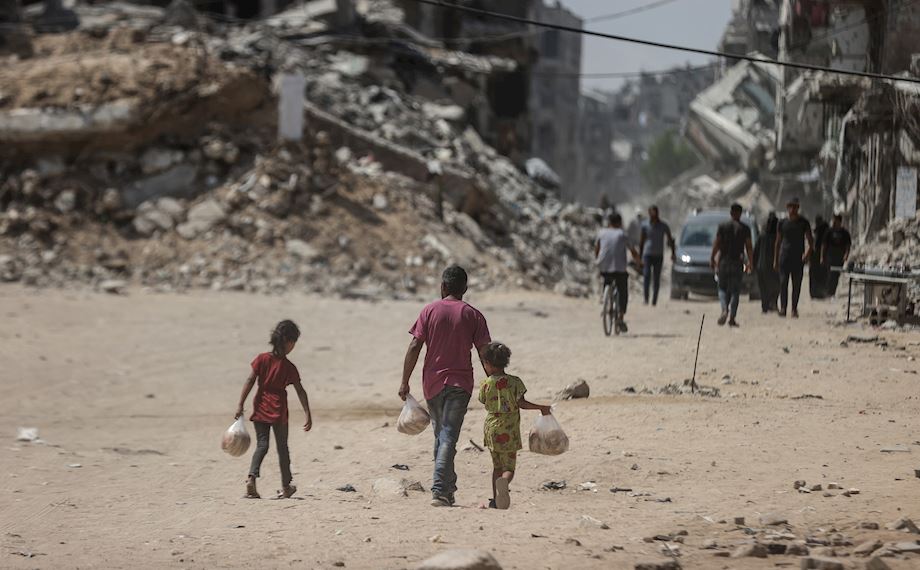
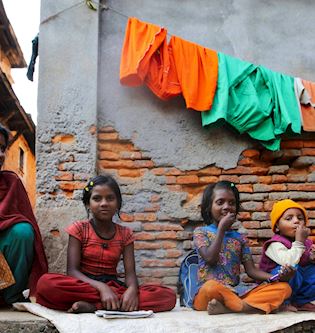
Eid is not complete unless it is shared. Supporting children, orphans, and vulnerable families through Eid gifts and charity helps spread smiles, dignity, and hope.
Give your Zakat al-Fitr and support families in need this Eid al-Fitr 2026.